If you’ve ever caught yourself hiding your smile in photos or noticed your jaw clicking when you chew, you’ve probably wondered whether orthodontic treatment could help. Orthodontics is a branch of dentistry that focuses on straightening teeth and correcting how your jaws fit together. But it goes far beyond cosmetics. Many people don’t realize how much a misaligned bite can affect daily comfort, oral health, and even confidence. Let’s break down exactly what orthodontics can fix and why it might be worth a conversation with your dentist.
Crowded and Overlapping Teeth
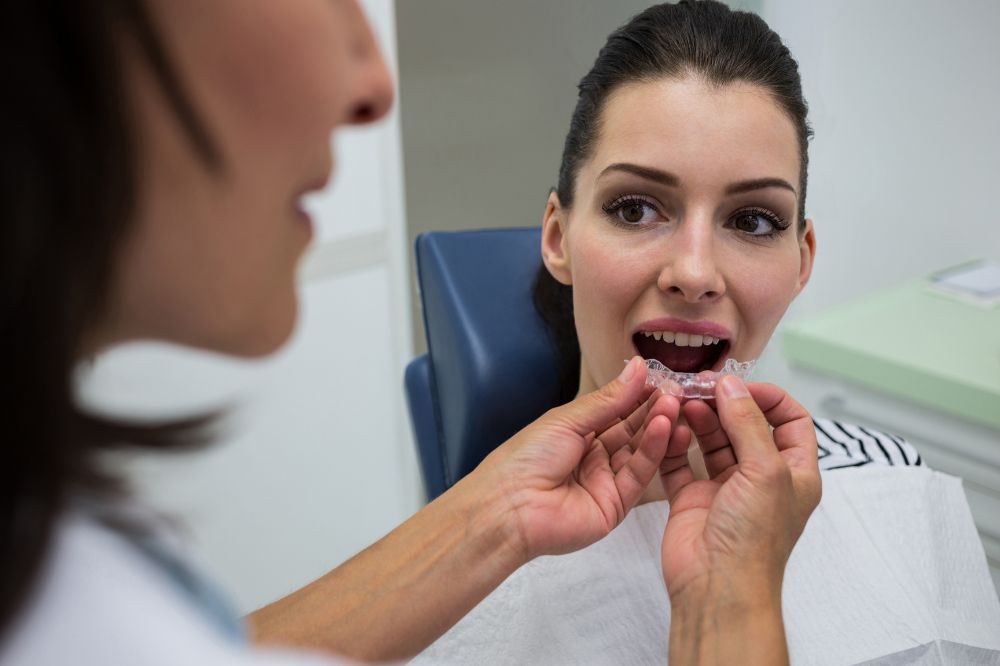
One of the most common issues orthodontics addresses is crowding. When there isn’t enough space in the jaw for all your teeth, they can twist, overlap, or push against each other. This doesn’t just look uneven — crowded teeth are harder to clean properly, which raises the risk of cavities and gum disease. Braces or clear aligners gradually shift teeth into a healthier, more manageable alignment.
Gaps Between Teeth
On the flip side, some people have too much space between their teeth. Gaps can result from missing teeth, small tooth size, or extra space in the jawbone. While a small gap might not cause problems, larger spaces can lead to food getting trapped and gum irritation over time. Orthodontic treatment closes these gaps and creates a more even smile.
Overbites, Underbites, and Crossbites
Bite problems are another major reason people seek orthodontic care. An overbite happens when the upper teeth extend too far over the lower teeth, while an underbite is the opposite. A crossbite occurs when some upper teeth sit inside the lower teeth instead of outside. Left untreated, these issues can wear down enamel unevenly, strain the jaw joint, and make chewing or speaking uncomfortable.
Jaw Pain and TMJ Issues
Many people don’t connect jaw pain with their teeth, but misalignment often plays a role. When teeth don’t meet correctly, the jaw has to work harder or shift position to compensate. Over time, this can contribute to temporomandibular joint (TMJ) discomfort, headaches, or a clicking sensation when opening and closing the mouth. Correcting the bite through orthodontics can ease pressure on the jaw and reduce these symptoms.
Speech and Chewing Difficulties
Teeth alignment affects more than appearance — it plays a role in how you speak and eat. Certain misalignments can cause a lisp or make it harder to pronounce specific sounds. Chewing can also become inefficient if teeth don’t line up properly, which may affect digestion over time. Straightening the teeth often improves both function and clarity of speech.
Protruding Teeth
Teeth that stick out noticeably, sometimes called “buck teeth,” are more prone to injury or chipping, especially during sports or accidental falls. Orthodontic treatment can bring these teeth back into a safer, more aligned position, reducing the risk of trauma.
So, What Can Orthodontics Correct?
To sum it up, what can orthodontics correct includes crowded teeth, gaps, overbites, underbites, crossbites, jaw discomfort, speech issues, and protruding teeth. It’s not just about achieving a picture-perfect smile — it’s about improving how your mouth functions every single day. Straighter teeth are also easier to brush and floss, which means better long-term oral health and fewer trips to fix preventable problems.
Finding the Right Care
If any of these issues sound familiar, the first step is getting an evaluation from a professional who can look at your specific bite and recommend the right treatment path, whether that’s traditional braces, clear aligners, or another option. Not every case needs the same approach, so personalized advice matters.
If you’re searching for a trusted dental office in McLean, our team is here to help you understand your options and guide you toward a healthier smile. Whether you’re dealing with crowding, bite issues, or jaw discomfort, finding a reliable dentist near you is the first step toward lasting relief and a smile you feel good about.
At Dolley Madison Dentistry, we believe a healthy bite is the foundation of a healthy smile — and we’re happy to help you figure out what’s right for you.