Finding a dentist is the first step toward fixing small cracks or gaps without needing surgery. Many people feel shy about small chips in their teeth, but they don’t want to spend a lot of money or change their teeth forever. Luckily, modern dental methods offer a great middle ground. These fixes look natural and keep your original teeth healthy and strong. Choosing a local dental office in McLean ensures that you have access to professionals who can match the exact shade of your teeth using high-quality composite resins. Because the material is applied directly to the surface, the process is incredibly efficient and usually requires only a single visit to complete.
How We Shape Your New Smile
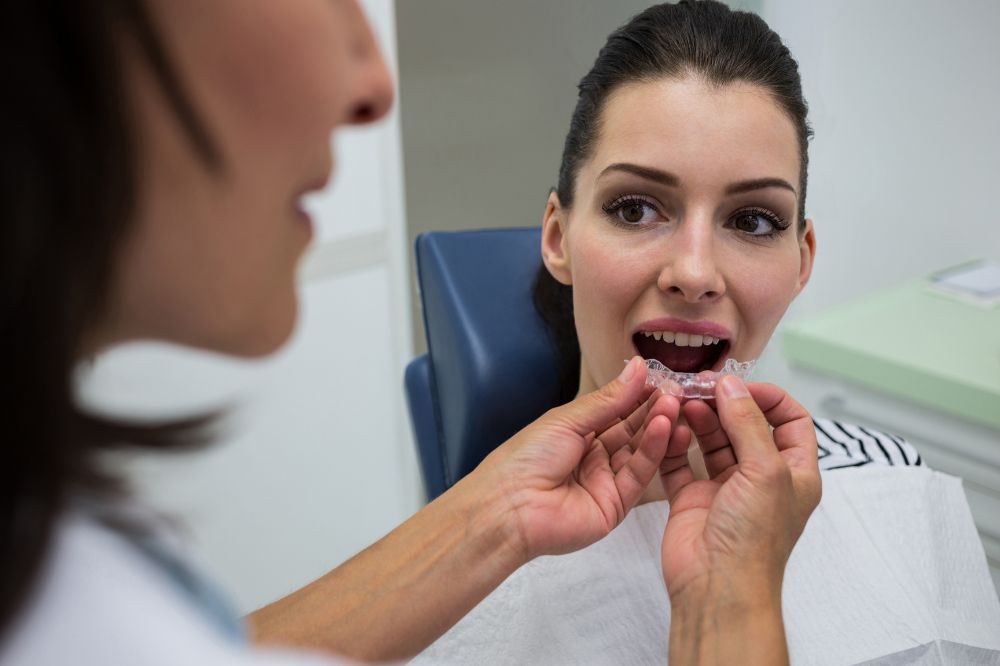
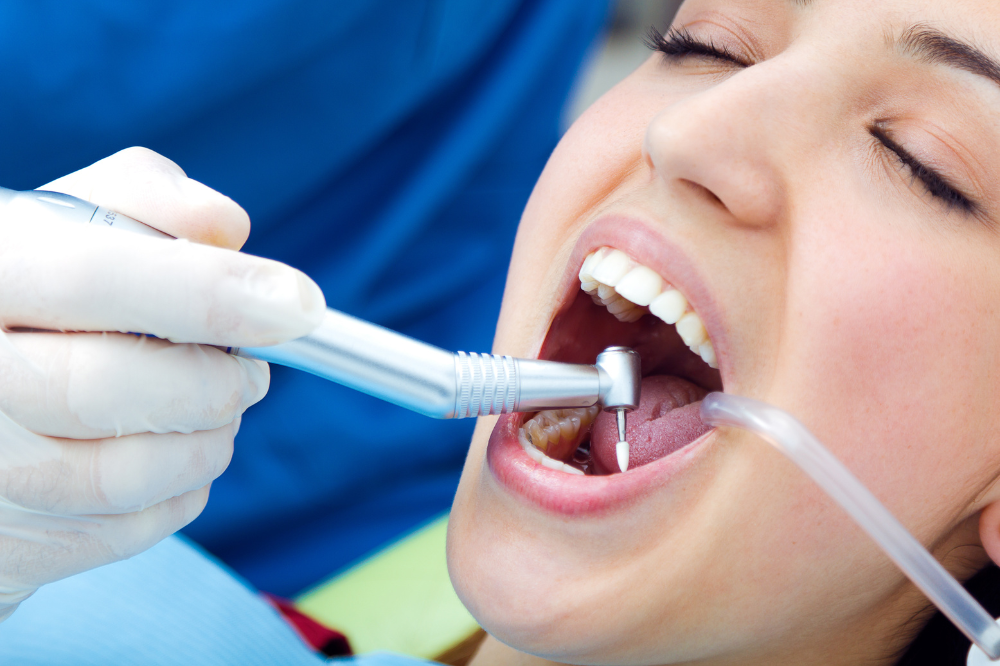
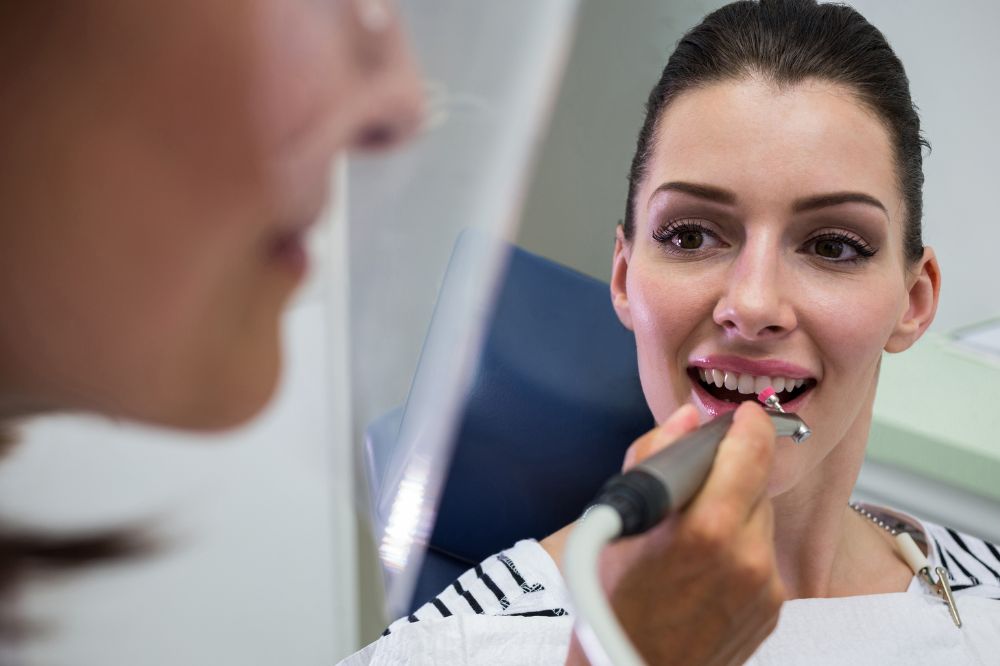
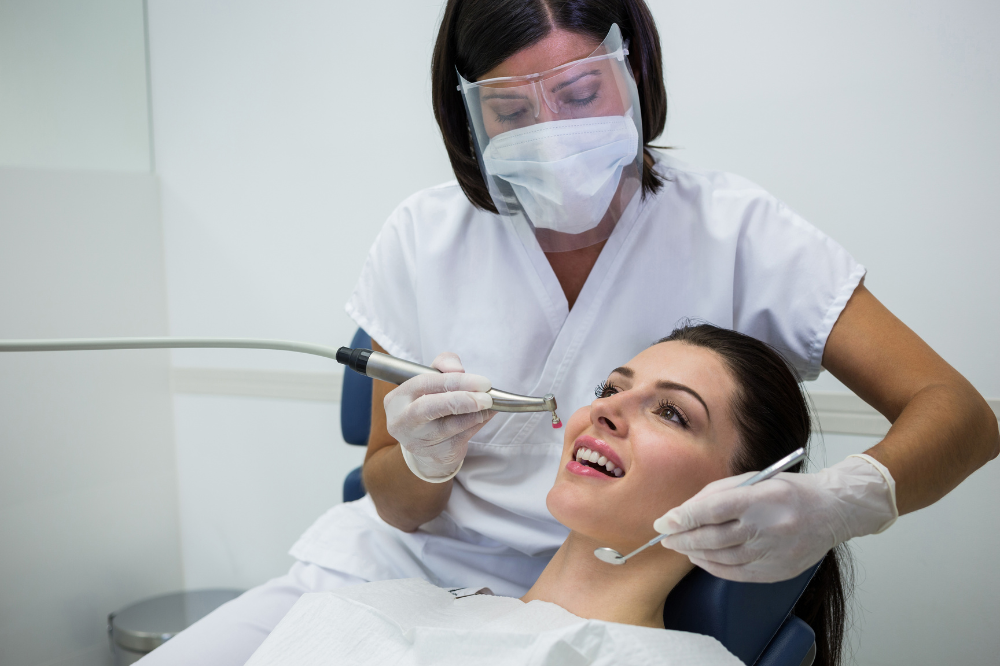
Unlike other treatments where we have to wait for a lab to make a piece, dental bonding happens right while you are sitting in the dentist’s chair. Think of your dentist as an artist, carefully adding layers of a special material to fix a broken part of your tooth or hide a stain.
- Surface Etching: A mild solution is used to create microscopic texture on the enamel so the resin sticks firmly.
- Bonding Agent: A liquid adhesive is applied, acting as a “glue” between the natural tooth and the new material.
- Resin Layering: The dentist puts on the putty-like resin and shapes it to mimic the curves of a natural tooth.
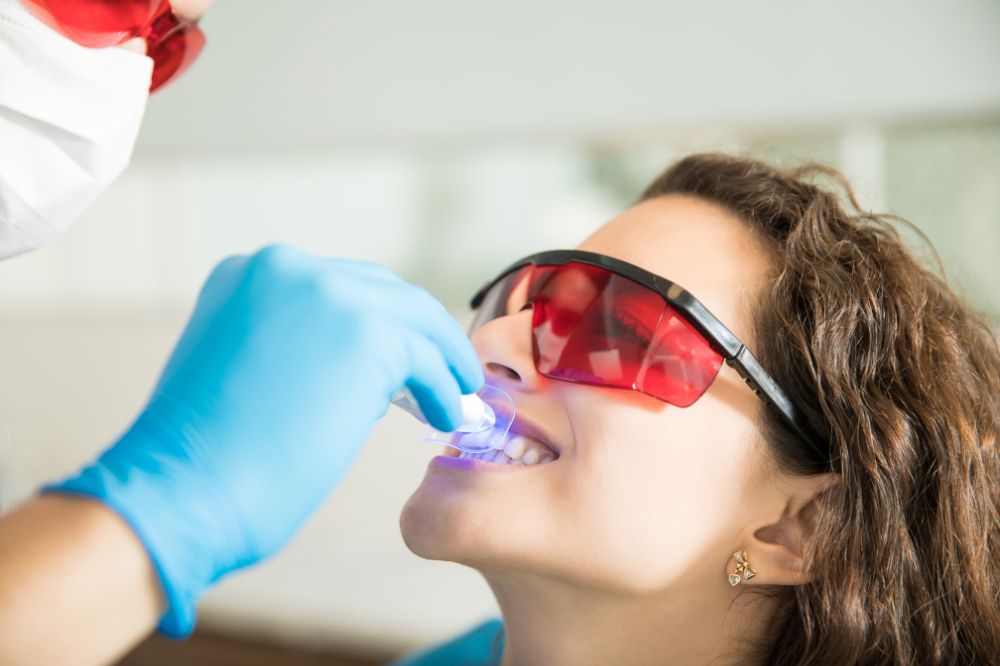
- Blue Light Curing: A specific frequency of light is used to harden each layer in seconds, making the repair solid and durable.
What Are the Benefits of Dental Bonding for Teeth?
Many patients choose this path because it offers a balance between aesthetics and conservation. The benefits of dental bonding for teeth extend beyond looks, as the resin can also protect a tooth root that has been exposed by receding gums.
- Enamel Preservation: Very little, if any, of the original tooth needs to be removed to make the bonding stay in place.
- Painless Application: Since the work is done on the surface, needles and numbing medicine are rarely necessary for the patient.
- Speed: Most repairs take less than an hour per tooth, allowing a person to walk out with a refreshed smile the same day.
- Repairability: If the resin chips over time, a dentist can easily add more material to fix it without starting over.
Dental Bonding vs Veneers: Which Path is Right?
Deciding between dental bonding vs veneers often depends on the scale of the changes a person wants to see. While both options can fix similar problems, they work in very different ways and involve different levels of commitment.
|
Feature |
Dental Bonding |
Porcelain Veneers |
|
Material |
Composite Resin |
Porcelain |
|
Durability |
5 to 10 years |
10 to 20 years |
|
Invasiveness |
Non-invasive |
Requires enamel removal |
|
Cost |
More affordable |
Higher investment |
|
Reversibility |
Usually reversible |
Permanent change |
Porcelain veneers are thin shells that cover the entire front of the tooth, whereas bonding is often used for specific “spot” repairs. If a person wants to change the color of every tooth, veneers might be better, but for fixing a single chipped tooth, bonding is usually the smarter choice.
Finding Quality Dental Bonding
When searching for dental bonding near you, it is vital to look for a provider who has an artistic eye. Because the resin is shaped by hand, the skill of the professional determines how well the repair blends in with the rest of the mouth. A well-done bond should be invisible to anyone looking at the smile.
- Color Matching: The dentist should use multiple shades of resin to create the depth and translucency found in natural enamel.
- Polishing: The final step involves buffing the material to a high shine so it reflects light the same way as the teeth around it.
- Bite Check: Ensuring the new material does not interfere with how the top and bottom teeth meet prevents premature chipping.
How to Extend the Life of Your Restoration
While the resin used in these procedures is strong, it is not quite as hard as natural enamel. Following a few simple rules can keep the bonded area looking fresh for nearly a decade.
- Avoid Hard Bites: Do not use bonded teeth to open packages or bite into extremely hard items like ice or unpopped popcorn kernels.
- Minimize Staining: Composite resin can pick up colors from coffee, red wine, or tobacco faster than porcelain, so rinsing after meals is helpful.
- Gentle Hygiene: Using a non-abrasive toothpaste ensures the polished surface stays smooth and does not become dull over time.
Refreshing Your Confidence with Precision Care
Taking the first step to fix small dental problems can completely change how you feel when you talk and laugh with others. A simple repair can make a huge difference in your confidence without the need for scary or complex surgeries. At Dolley Madison Dentistry, our goal is to give you careful, artistic treatments that keep your smile looking natural and your teeth healthy for a long time. Book your appointment today.
Frequently Asked Questions
Is dental bonding a permanent solution?
The material is long-lasting but will eventually need a touch-up or replacement. Most patients enjoy their results for several years before the resin begins to show signs of wear or slight discoloration.
Can bonding fix large gaps between teeth?
Bonding is excellent for closing small spaces, often called diastemas. If the gap is very wide, a dentist might suggest a different approach to ensure the teeth do not look unnaturally large after the resin is added.
Does insurance cover the cost of bonding?
If the procedure is done to repair a tooth that was damaged by an injury or to fix structural decay, many insurance plans will cover a portion of the fee. If it is purely for a cosmetic change, it may be an out-of-pocket expense.
Will the fixed part feel different to my tongue?
At first, you might notice a small change in how the tooth feels. However, a dentist will polish the special material until it is just as smooth as your real teeth. Within just a few days, your mouth usually gets completely used to the new shape. You’ll likely forget it was ever even there!